
Walking across a hardwood floor and feeling edges that curl upward signals a clear imbalance in indoor moisture levels. Cupping occurs when the underside of the plank absorbs damp air while the top surface dries out unevenly.
Identifying the Root Cause
Seasonal transitions often trigger noticeable movement in oak and pine flooring as relative humidity shifts. Crawlspace moisture, damp basements, or uncalibrated HVAC systems allow humidity to creep into the subfloor over several weeks.
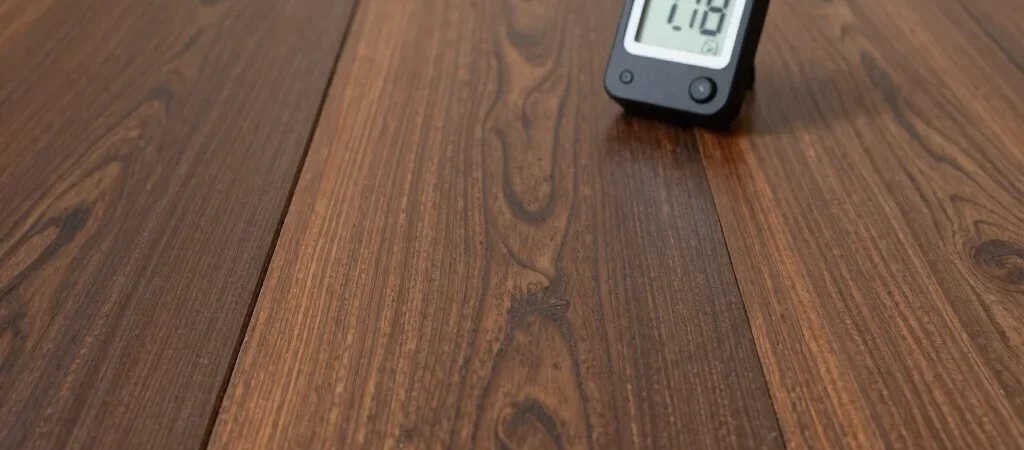
A simple wood moisture meter applied directly to suspect boards quickly confirms whether lower moisture lies inside the wood or within the surrounding air.
Implementing Humidity Control
Target an indoor relative humidity level between thirty-five and fifty-five percent year-round to stabilize movement. Running a dedicated dehumidifier during humid months stops moisture absorption before boards suffer structural stress.
When to Wait Before Sanding
Resist the urge to sand cupped boards flat immediately while the timber remains swollen. Once indoor moisture balances out over a few weeks, many planks relax back into their original flat orientation naturally.